Three things
on our
mind.
Not necessarily the highest-rated. Just the ones we're still talking about after the screen goes dark.
Cinema, observed.

Frame Theories review of Insidious: Out of the Further. Insidious: Out of the Further knows the pleasures its audience came for: a hallway that feels wrong, a sound from another room, and the horrible suspicion that the thing in the corner has been there longer than you have. It delivers those pleasures with confidence, even when the mythology begins to feel heavier than the fear.

Frame Theories review of Insidious: Out of the Further. Insidious: Out of the Further knows the pleasures its audience came for: a hallway that feels wrong, a sound from another room, and the horrible suspicion that the thing in the corner has been there longer than you have. It delivers those pleasures with confidence, even when the mythology begins to feel heavier than the fear.
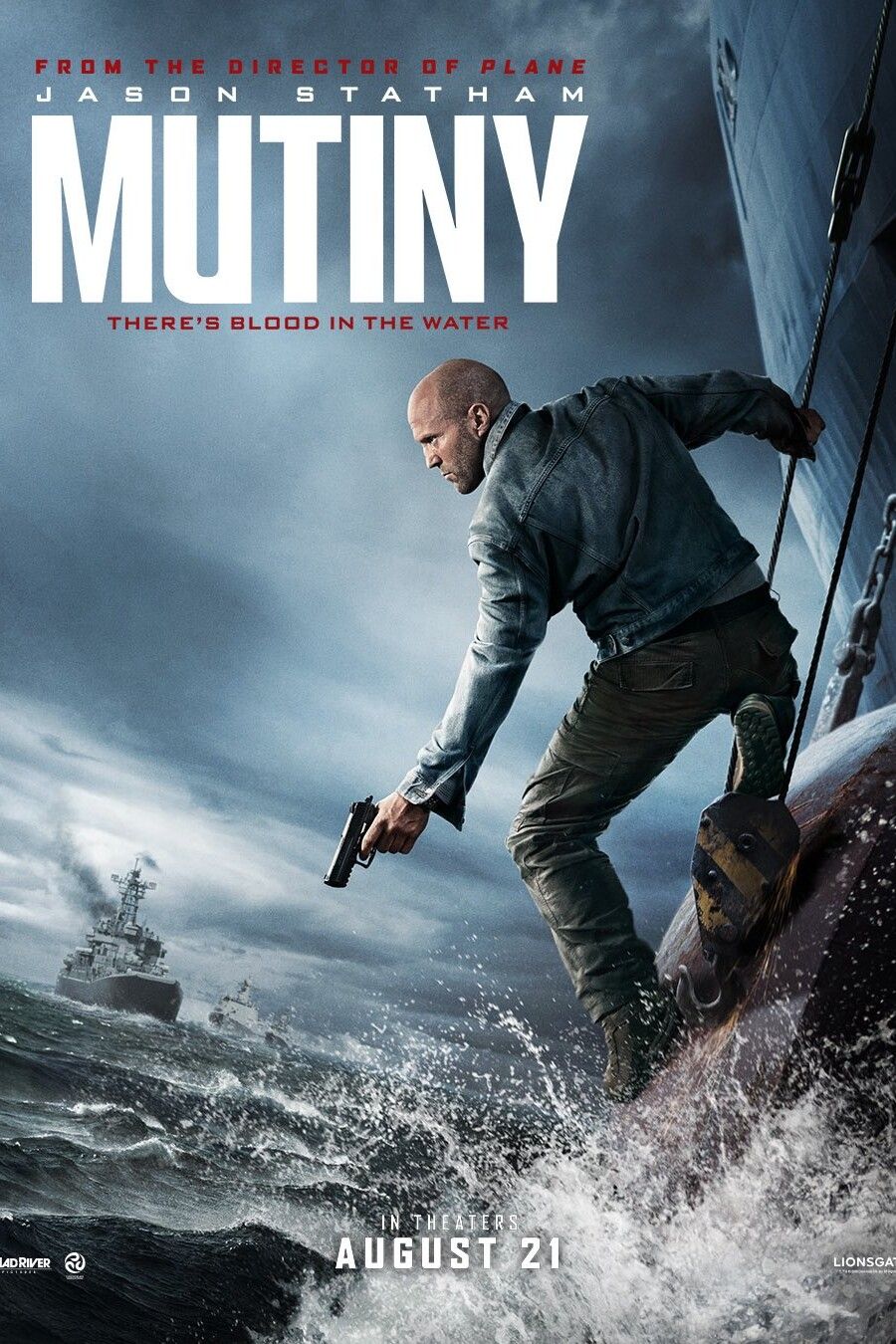
Frame Theories review of Mutiny. Mutiny is not interested in reinventing the action movie. It wants Jason Statham, a bad situation, a lot of people who should have known better, and a moving vehicle that absolutely should not be moving that fast. The surprise is how much charm that old recipe still has.

Frame Theories review of Spider-Man: Brand New Day. Brand New Day finally lets Tom Holland

Frame Theories review of The Odyssey. Christopher Nolan does not make The Odyssey feel like a museum piece. He makes it feel physical: wet decks, impossible horizons, bodies pushed to the edge of exhaustion, and a sea that seems capable of remembering every mistake a man has made.
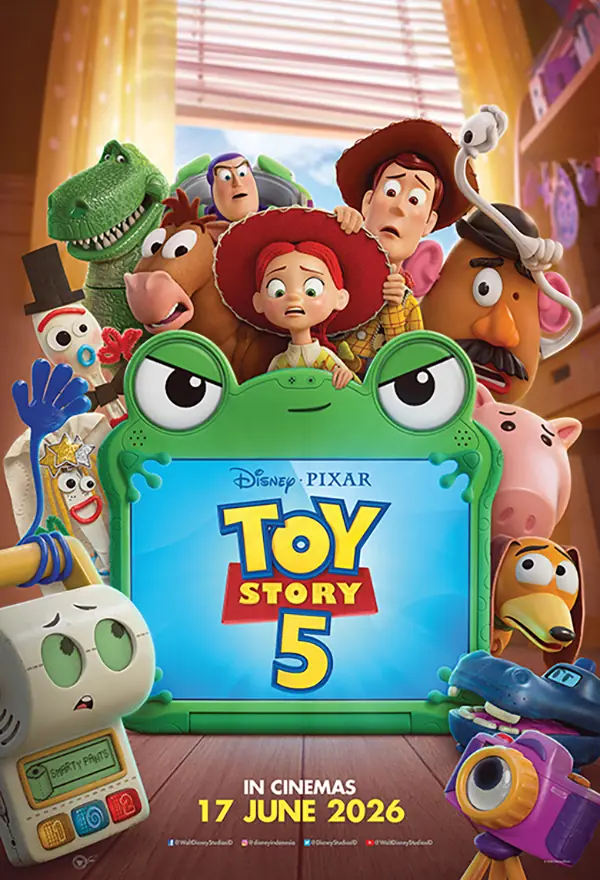
Frame Theories review of Toy Story 5. Toy Story 5 finds the franchise in a funny position: the characters are timeless, but the world around them has changed. This time the threat is not another toy with an ego or a child growing up. It is the screen in the room.

Frame Theories review of Weapons. Weapons understands that the scariest thing in a mystery is not the answer but the shape of the question. It keeps the missing children at the centre of the story, letting dread grow from what nobody can quite explain.
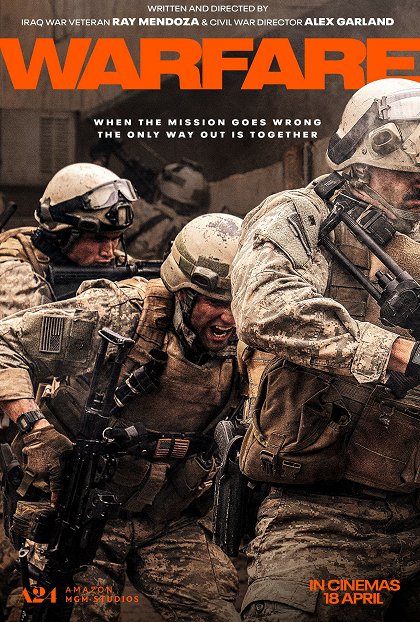
Frame Theories review of Warfare. Warfare strips the war film down to exhaustion, confusion and the awful intimacy of being trapped in one place while everything outside keeps getting worse.

Frame Theories review of 28 Years Later. 28 Years Later returns to a world that has had time to turn catastrophe into history. That distance gives Danny Boyle and Alex Garland room to ask a more interesting question than whether the infected are still scary: what kind of people survive after the story is supposed to be over?
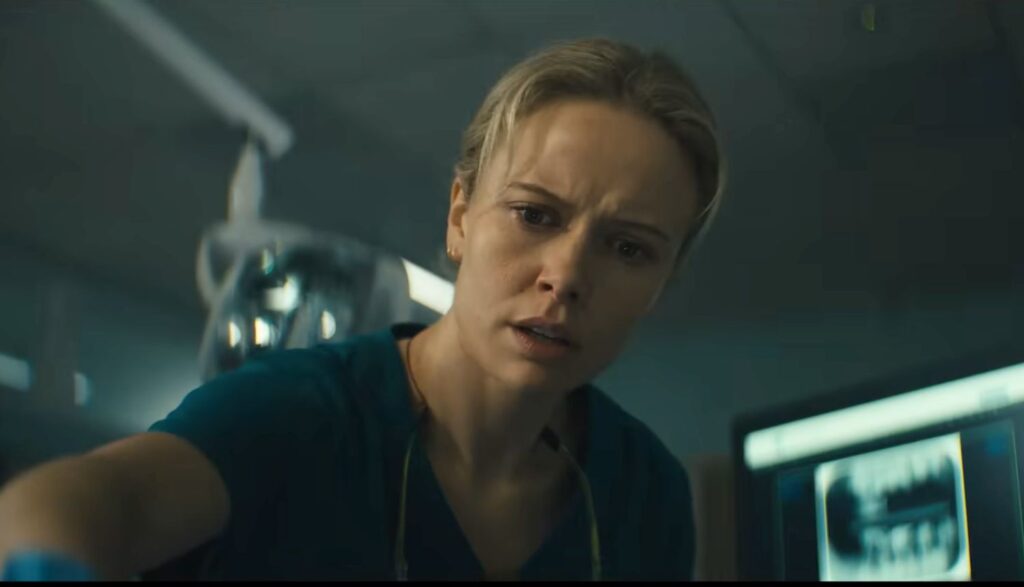 01 / FILM
READ REVIEW ↗
READ REVIEW ↗
Our highest Frame Scores, ranked by the things that matter after the credits: craft, feeling, performance and staying power.
SEE FULL RANKINGS ↗BROWSE THE ARCHIVE
Choose a genre and we’ll show you what Frame Theories has reviewed in it — films and television, ranked by Frame Score.
Not necessarily the highest-rated. Just the ones we're still talking about after the screen goes dark.
A closer look at the images, choices and frames that stay with us.
↗ SCENE STUDYHow sound, silence and rhythm change what a scene means.
↗ LISTA small itinerary for the next night you want to disappear into a film.
↗Frame Theories is looking for writers who have something thoughtful to say about film, television and the ideas behind the screen.
INTERESTED IN WRITING ↗